Advertisement
Investing money is no longer something exclusive to experts or people with large fortunes. Today, with access to information and digital platforms, anyone can get started — even with a small amount. However, with so many options available, one question naturally arises: what is the best way to invest?
The answer is not a single one. It depends on your goals, risk tolerance, and planning. In this article, you will discover the main types of investments, understand how each one works, and learn how to make smarter financial decisions.
Why Investing Is Essential Nowadays
Keeping money in a checking account or even in a savings account may seem safe, but in reality, it means losing purchasing power over time. Inflation gradually reduces the value of money, making it essential to look for alternatives that help your wealth grow.
Advertisement
Investing is not just about earning more — it is about protecting what you have already achieved. In addition, investing allows you to reach important goals such as buying a home, securing a comfortable retirement, traveling the world, and achieving financial independence. Without investing, these goals may take much longer to become reality.
Know Your Investor Profile Before You Start
Before choosing any investment, you need to understand your investor profile. This helps you avoid impulsive decisions and build a coherent strategy.
The main profiles are conservative, which prioritizes safety and accepts lower returns; moderate, which seeks a balance between risk and return; and aggressive, which is willing to take higher risks in pursuit of greater gains.
There is no right or wrong profile. The key is to choose investments that align with your comfort level.
Treasury Bonds: Security And Accessibility
One of the most recommended entry points for beginners is investing in government bonds. These are securities issued by the government and are generally considered low-risk.
They offer a low initial investment, strong security, and a variety of options such as fixed-rate, floating-rate, and inflation-linked bonds. This makes them ideal for those who are just starting and want to learn without taking excessive risks.
Bank Products: Better Returns Than Savings
Fixed-income investments issued by banks often provide better returns than traditional savings accounts.
Certificates of Deposit can offer daily liquidity or fixed terms, while certain credit notes tied to real estate or agriculture sectors may offer tax advantages depending on the country. These options are suitable for those seeking safety with improved returns.
Investment Funds: Professional Management Within Reach
If you prefer not to choose individual assets, investment funds can be an excellent option. In these, a professional manager makes decisions on your behalf.
There are different types of funds, including fixed-income, multi-asset, and equity funds. While they offer convenience, it is important to pay attention to management fees and historical performance.
Investing in stocks means becoming a shareholder in companies. This type of investment can generate high returns, but it also involves greater volatility.
Among the benefits are the potential for significant appreciation, the possibility of receiving dividends, and protection against inflation over the long term. However, it requires knowledge, patience, and emotional discipline.
Real Estate Funds: Passive Income Opportunities
Real estate investment funds allow you to invest in property markets without needing to purchase physical property.
They can provide regular income through rents, require a lower initial investment, and offer diversification. This makes them a great option for those seeking passive income.
Cryptocurrencies: High Risk And High Potential
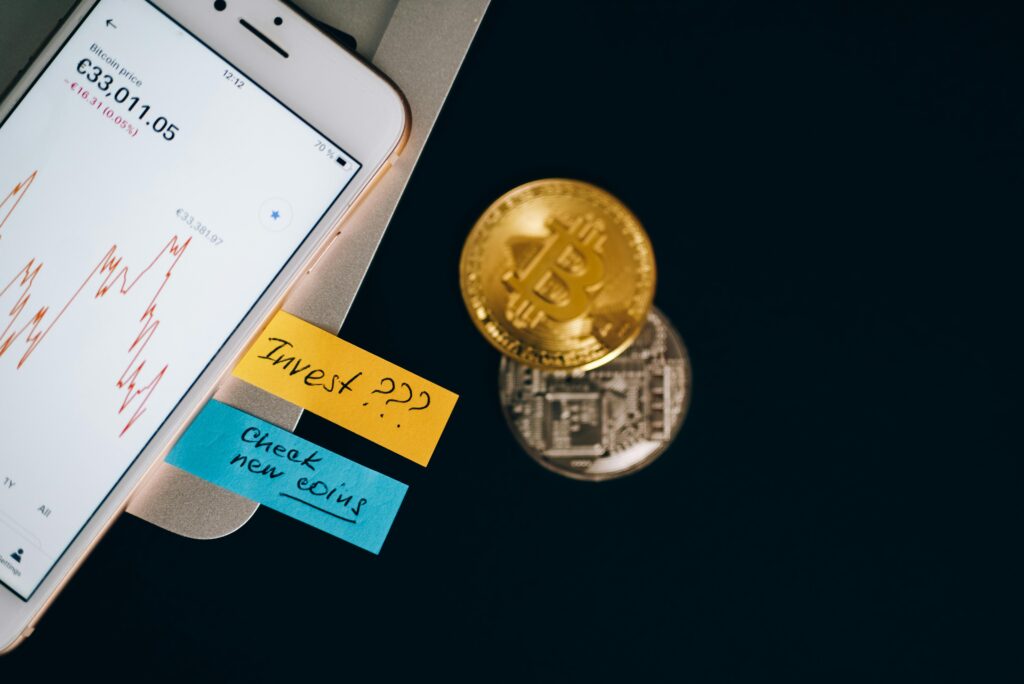
Cryptocurrencies have gained popularity in recent years. Despite their profit potential, they are highly volatile.
Before investing, it is important to consider price fluctuations, the need for research, and the high level of risk. This type of investment should be approached with caution.
Diversification: The Key To Reducing Risk
One of the most important rules in investing is not to put all your money in one place.
Diversification means spreading your capital across different types of assets such as fixed income, stocks, and real estate funds. This strategy helps balance losses and gains, making your portfolio more resilient over time.
Emergency Fund: Always The First Step
Before thinking about more advanced investments, it is essential to build an emergency fund.
It should cover three to six months of expenses, be kept in highly liquid investments, and carry low risk. This fund provides security in unexpected situations and prevents poor financial decisions.
The Power Of Compound Interest
Compound interest is often described as earning interest on interest, allowing your money to grow exponentially over time.
The earlier you start investing, the greater the impact of this effect. Regular investments, even with small amounts, can grow into significant sums in the future.
Common Mistakes You Should Avoid
Many beginners make mistakes that can harm their results. These include investing without planning, following trends without analysis, failing to diversify, withdrawing investments impulsively, and ignoring fees and taxes.
Avoiding these mistakes already puts you ahead of many others.
The Importance Of Financial Education
Successful investing is not just about choosing the right assets, but also about understanding how money works.
Continuous learning makes a significant difference. You can improve your knowledge through books, courses, educational videos, and reliable online content. The more you learn, the better your decisions will be.
How To Start Investing Today
If you have not started yet, the best time is now. The process can be simple when approached with discipline.
First, organize your finances and pay off high-interest debts. Then, build your emergency fund, define your goals, and choose a reliable brokerage platform. From there, begin with simple investments and gradually expand.
Investing Is Not Luck, It Is Strategy
Many people believe investing is a matter of luck, but that is far from the truth. Successful investing requires discipline, patience, and strategy.
Consistent results come from planning, persistence, and a long-term vision. Those who understand this avoid frustration and build sustainable wealth.
The Path To A Better Financial Future
Investing your money is one of the most important decisions you can make in life. It is not just about earning more, but about ensuring security, freedom, and peace of mind in the future.
There is no magic formula. The best investment is the one that makes sense for you, respects your profile, and aligns with your goals.
Start small, keep learning, and stay consistent. Over time, the results will appear and can completely transform your relationship with money.