Advertisement
Edge computing seems like a technical buzzword, but from what I’ve seen, it actually shapes the future of business in very direct ways. As someone who keeps a close eye on digital trends, I’ve noticed how edge computing is becoming a key topic for decision-makers in logistics and retail. So I want to share not just how it works, but why it could make a real difference for your company—without jargon or empty promises.
What is edge computing?
When I first heard about edge computing, it felt abstract. In short, edge computing means moving data processing closer to where data is created, rather than sending everything off to a distant central server.
“Edge computing brings power to the data’s doorstep.”
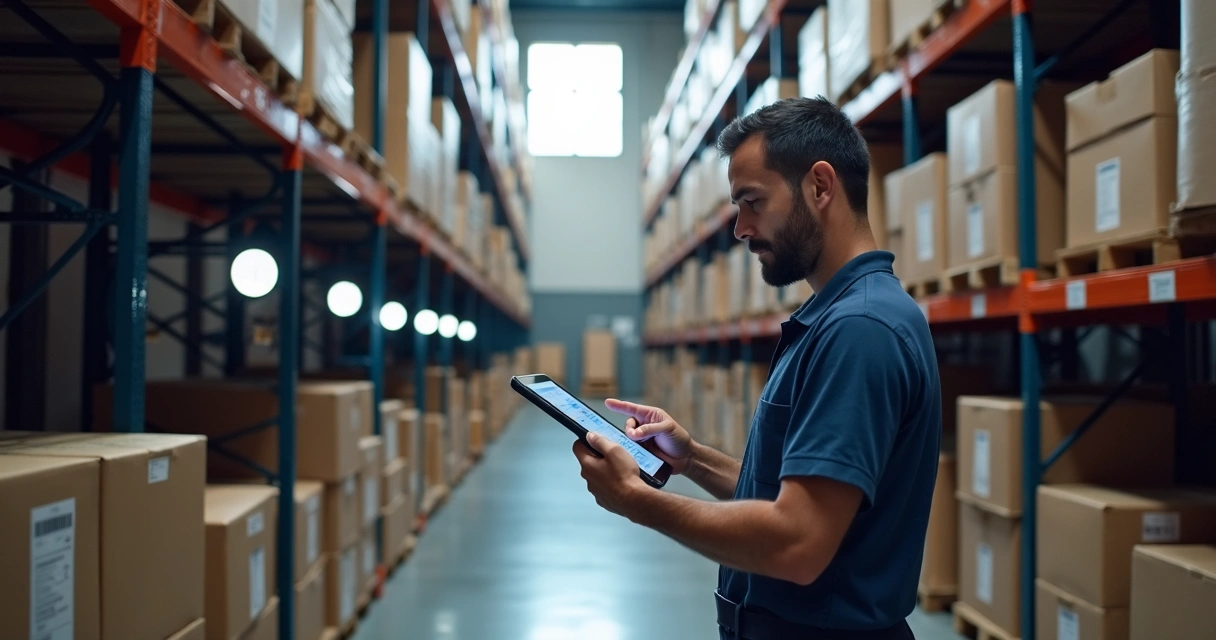
If you run a logistics warehouse or a retail chain, here’s how it looks in practice: sensors, scanners, cameras, and registers at your locations process information right there, in real time, instead of relying only on a remote data center.
Advertisement
Edge computing is about speed and action happening as close to the customer or the supply chain as possible.
Why logistics and retail need edge computing now
In my experience, speed is everything in logistics and retail. Customers expect instant updates and “out of stock” is not an excuse anymore. Shipping delays can have a domino effect, and every retail mistake risks lost sales. Traditional computing methods can add seconds or even minutes of delay as information zips to faraway servers and back. Those seconds count.
Here’s why edge computing stands out for these sectors:
- Quicker decisions: Local data processing means less waiting for central servers to answer.
- Resilience: Even if your internet connection wobbles, local devices keep working.
- Privacy: Sensitive data (like customer preferences or supplier info) can be handled on-premises instead of relying on unsecured remote servers.
- Fresh insights: You can spot trends as they happen—no stale reports.
Real-life examples: Where edge computing adds value
Let me walk through some practical scenarios that keep popping up in my own research and conversations:
- Real-time inventory tracking: Imagine using smart sensors on every shelf. When an item moves, local edge devices update your stock records instantly. No bottlenecks, no stockouts.
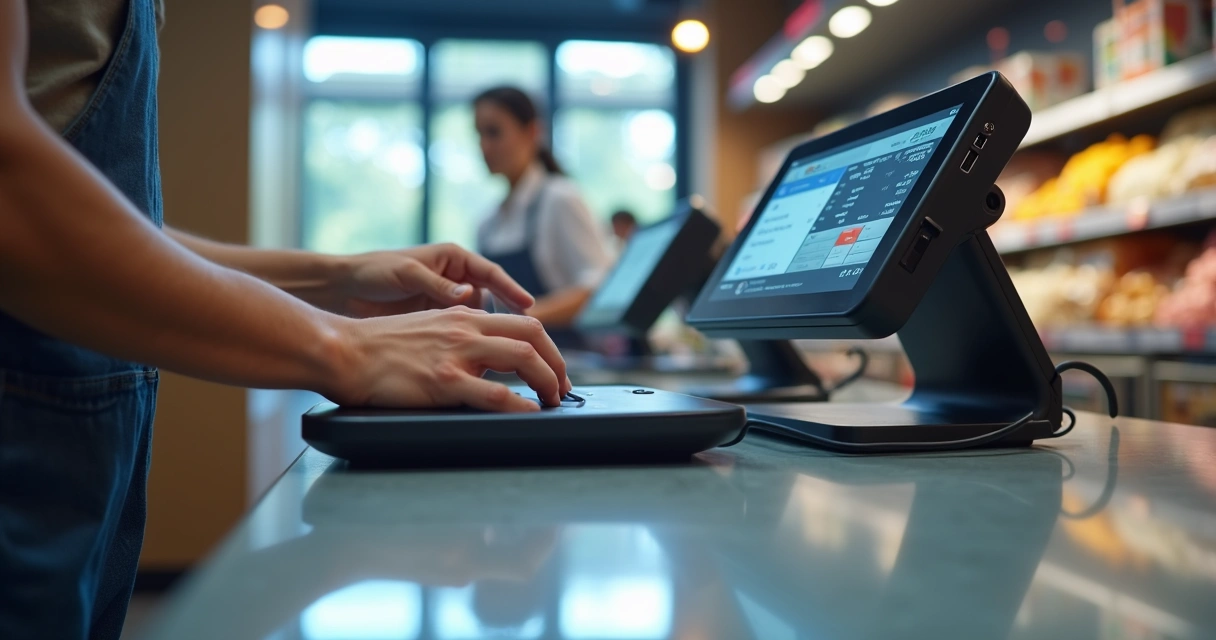
- Automated checkout: Self-checkout kiosks process transactions faster when computers inside the store handle the heavy lifting. Long lines start to shrink, and customer frustration falls.
- Fleet management in logistics: Trucks send live route, temperature, and delivery updates processed at the warehouse’s edge gateway. Managers react before a spoilage or delay turns into a bigger issue.
- Personalized offers: Edge devices can recommend deals based on current in-store shopping behavior without sending all that data across the web. It’s both faster and better for privacy.
Key benefits for your business
With these examples in mind, let me break down the main ways edge computing can help logistics and retail leaders:
- Better customer experience: Faster checkouts and accurate inventory lead to happier customers.
- Lower IT costs: Because much of the data processing is done on-site, companies often need less bandwidth and cloud storage.
- Security: Data that never leaves your site is less open to outside threats.
- Easy scaling: Adding new stores or warehouses? Deploy new edge devices as you grow.
If you want your business to handle more customers, goods, and data without sacrificing quality, edge computing fits the challenge.
Challenges and what to watch for
Of course, as with any technology, adoption is not as simple as plugging in a new device. I’ve seen leaders succeed and struggle, so let’s talk about what can get tricky:
- Managing devices: Hundreds of edge computers and sensors can be hard to monitor if you don’t set up automated updates and security checks.
- Integration: Linking old and new technology takes careful planning. Legacy systems might not speak the same language as new edge tools.
- Data overload: Processing data locally means you get results fast, but you’ll need rules about what to keep, what to discard, and how to sync with main servers.
- Security: More devices mean more entry points for cyberattacks, so careful setup is a must.
Where to begin: Steps to edge computing adoption
If I were advising a logistics or retail manager today, here’s the approach I would recommend based on my own research and feedback from early adopters:
- Identify a specific pain point. Maybe it’s slow inventory updates or checkout bottlenecks. Focus is key.
- Start small with a pilot project. Pick one location or process to test edge devices. It’s better to learn the ropes on a small scale than to risk an organization-wide headache.
- Work with IT early. Even if you’re not a technical expert, connect with your IT staff to discuss security, integration, and management routines.
- Monitor and measure. Are checkout times dropping? Are inventory records more precise? Define clear goals and check the numbers.
- Plan for scaling. Once you see real results, expand your edge computing footprint. Standardize device management to make future growth easy.
Questions leaders often ask about edge computing
Based on the messages I receive and the questions during talks I’ve given, here are a few things I hear often:
- “Will edge computing replace the cloud?” Edge and cloud usually work together—edge devices handle fast, local jobs, while the cloud manages backups and long-term analysis.
- “Is it safe?” With proper setup and regular updates, edge computing can be as secure as other IT systems.
- “Can small businesses use it?” Absolutely. There are options for all budgets and sizes because you can start with just a few devices.
My take: The near future of edge in logistics and retail
From what I see, edge computing is already here, and adoption will only grow as businesses look for quick, reliable, and smart ways to operate. While not every technology promise turns into reality, edge computing delivers on the things logistics and retail demand most—speed, reliability, cost control, and better insights.
“Data at the edge means faster reactions where it matters most.”
If I had to give one message to other leaders, it’s this: start simple, choose a real business problem, and see the difference for yourself. Edge computing doesn’t have to be overwhelming. Sometimes, all it takes is a small shift in where information gets processed to open the door to bigger possibilities.