Advertisement
Sometimes, a technology comes along that makes the abstract feel suddenly real. That is how I see digital twins, these virtual copies of physical things, from machines to cities, are no longer just a futuristic idea. In my experience, they are changing how decisions are made in every business area that values precision, speed, and learning from data.
First, let’s get clear: a digital twin is a virtual model designed to accurately reflect a physical object, process, or system. Once paired, changes made in the physical world instantly show in the digital twin, and simulations in the digital twin can help predict real-world outcomes. That opens up huge possibilities. Here are seven key ways I have seen digital twins shaping smarter business decisions.
1. Risk-free testing and simulation
The power to test ideas without risking resources or operations is something I wish I had seen earlier in my career. Digital twins offer exactly this:
Advertisement
- Businesses can simulate changes to equipment, production lines, or even entire facilities before committing to real-world changes.
- Potential problems are spotted early, when they are easier (and cheaper) to fix.
- Teams try bold ‘what if’ ideas with no fear of causing interruptions.
Mistakes in a digital world cost nothing but time.
I have watched managers gain confidence to adopt new approaches thanks to these risk-free trials. The virtual test bed breaks down the classic fear of the unknown, unlocking real creativity in decision making.
2. Better asset management and maintenance
When I first heard plant supervisors talk about real-time asset health, it was usually about guesswork. Digital twins have changed that. By pulling in live sensor data—noise, vibration, temperature—they can show exactly how a machine is performing right now. This means the difference between fixing a problem before it happens or dealing with a costly breakdown after the fact.
In my research, I discovered that digital twins enable:
- Predictive maintenance, where teams know which part will likely fail, and when
- Longer asset life, because preventive action becomes the norm, not the exception
- Better scheduling, since maintenance windows can be planned around real needs, not standard intervals
With greater uptime, businesses can focus less on putting out fires and more on making improvements that matter.
3. Faster product development and iteration
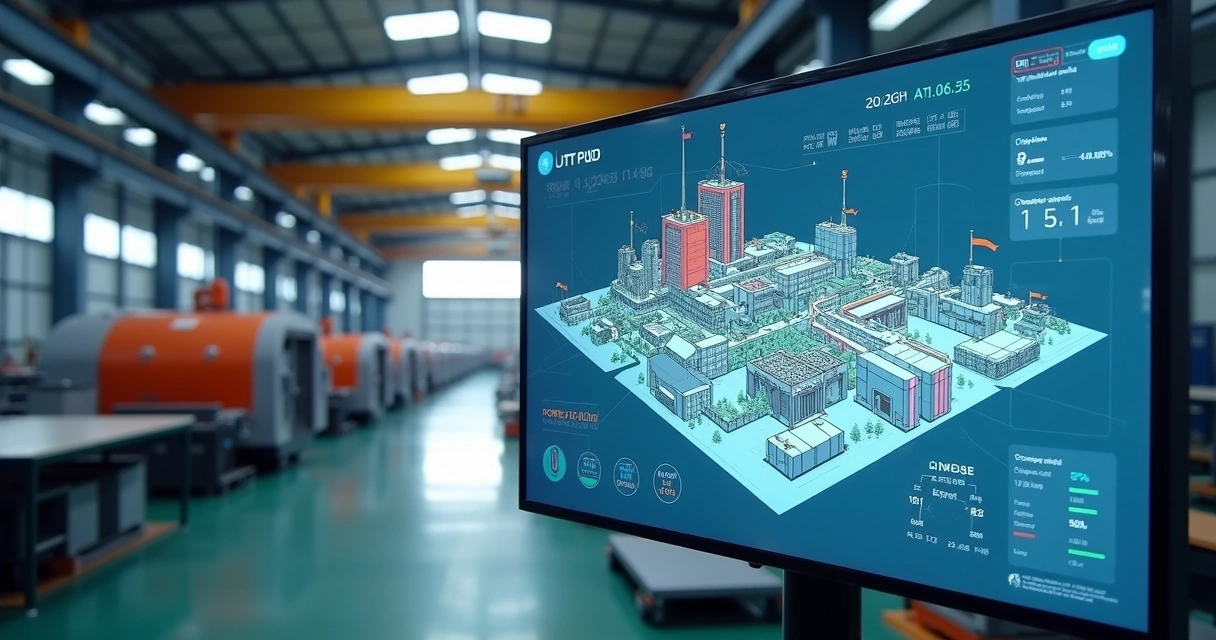
Speed to market makes a difference, especially with products that can cost a lot to develop. I have seen digital twins cut development times by letting designers test hundreds of variations virtually before anything is built for real. For example, in car design or device manufacturing, digital twins can help:
- Test every idea without needing physical prototypes each time
- Spot design errors or weaknesses early, before expensive tooling begins
- Fine-tune performance based on real-world digital simulations, often with customer feedback included
Products are getting better and reaching customers sooner because of these fast, safe cycles of digital trial and error.
4. Smarter supply chain planning
I have often witnessed supply chain managers wishing for a crystal ball when disruptions hit. Digital twins are as close as I’ve seen to that wish coming true. By modeling the supply chain in detail, managers can:
- Spot bottlenecks and see the impact of delays almost instantly
- Test the effect of demand spikes, natural disasters, or supplier switches before committing to action
- Balance costs, lead times, and stock levels visually, instead of chasing numbers on a spreadsheet
A digital twin lets you see the ripple effect of every supply chain choice.
This bird’s-eye view delivers stronger decisions that hold up under pressure, because leaders are no longer reacting blindly.
5. Clearer insights from data integration
Data is everywhere, but I keep seeing businesses struggle because it’s scattered across too many tools. Digital twins gather that data into one view, tying together what is happening in the real world and what the numbers are saying. I have noticed this is game-changing for decision makers. Now they can:
- See live updates on a dashboard that links operations, finance, and logistics
- Ask “what if” questions across departments and get answers quickly
- Spot trends and risks early, because nothing falls between the cracks
This isn’t just working with more data—it is working with joined-up insight that makes cause and effect much easier to see.
6. Better decision-making for sustainability
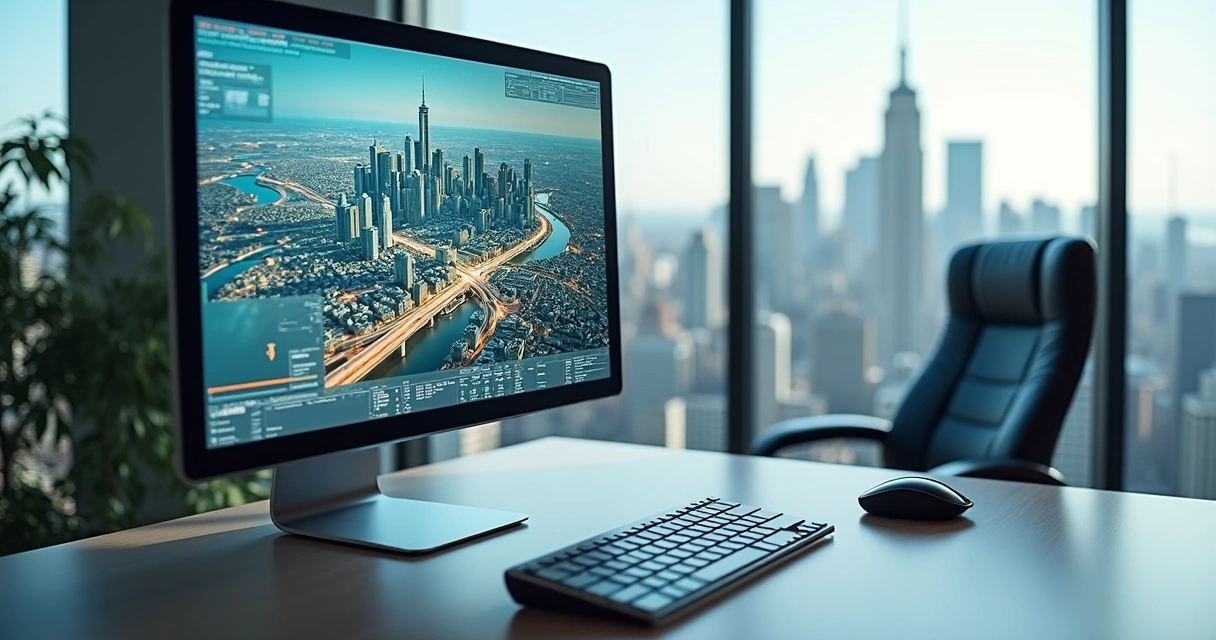
Many people I work with want to make choices that help their business and the planet, but the trade-offs are complex. Digital twins allow teams to:
- Model the impact of new materials or processes on resource use and emissions
- Test alternative energy supplies before changing contracts or infrastructure
- See how even small changes in setup affect outcomes like waste or water use
By experimenting digitally, businesses can see which options actually move the sustainability needle before spending real money or making risky changes. This brings climate goals into the world of clear, confident decision-making.
7. More personalized customer experiences
The last few years have proven this to me: personalization is not just a buzzword. Digital twins are helping companies truly tailor their goods and services, not just through marketing but through the substance of what and how they deliver.
- Product digital twins can track usage and adapt services or maintenance to fit each customer
- Retail environments can test and redesign the store experience virtually, considering layout, temperature, and flows
- Feedback loops can finally be closed, as digital twins show how design changes affect customer satisfaction in real scenarios
This approach builds loyalty, not just sales, because people feel the product or service was made with their actual needs in mind.
Looking ahead: My take on the digital twin journey
Having watched digital twins grow from curiosity to common tool, I am convinced they are remaking major business routines every day. The biggest challenge I see is not technical—it’s about trust and willingness. Teams need to believe that digital models can reflect and predict the real world closely enough to act on.
From my perspective, the advantages are clear. We are moving from slow and guess-based decision making to a much more visual, interactive, and informed way of working. The line between real and virtual business practice continues to blur—usually for the better.
With digital twins, the smartest decision is often the one you have already tested.
Business leaders who embrace digital twins are able to move faster, avoid costly mistakes, and understand their world in new ways. For me, that’s one of the most exciting developments I have seen in how digital technology meets daily decision making.