Advertisement
When I first heard how cigarettes and other nicotine products change the brain, I have to admit I was surprised. The grip nicotine holds over millions of people is far more than just habit or preference. It involves real, measurable changes in brain chemistry, behavior, and even memory. Today I want to take you through this science in a clear, direct way—just as I wish someone had done for me years ago.
How nicotine reaches the brain so quickly
Let me start with a question I had myself: Why does nicotine seem so fast-acting? Whether it’s through smoking, vaping, or even other delivery forms, nicotine enters the bloodstream fast, traveling straight to the brain. Inhaling, in particular, leads to rapid absorption through the lungs. In less than ten seconds, nicotine can cross the blood-brain barrier—a protective shield in our heads—and start making changes.
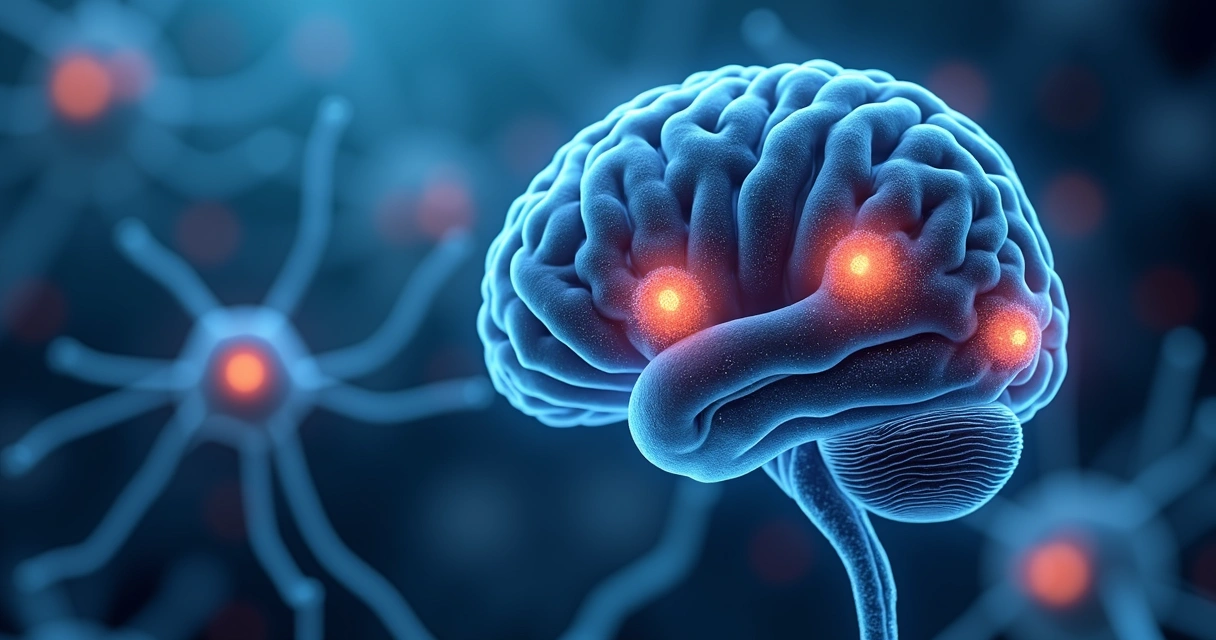
What happens during that short time is nothing short of remarkable. The nicotine molecules connect directly to certain brain cells called neurons. They match up with specific protein receptors (nicotinic acetylcholine receptors), triggering a cascade of effects. This rush is why some people describe using nicotine products as an instant “kick” or wave of calm.
Advertisement
Nicotine alters brain chemistry within seconds of consumption.
The dopamine connection: pleasure and reward
Once nicotine binds to those brain receptors, the next step is a surge of neurotransmitters—chemical messengers that help the brain send instructions throughout the body. The most well-known of these is dopamine. It’s often called the “pleasure chemical,” and the reason makes sense. Our brain releases dopamine during enjoyable activities, rewarding actions like eating, laughing, or spending time with friends.
What fascinates me is how nicotine can “trick” the reward center. Nicotine causes a large release of dopamine, making the brain associate nicotine use with pleasure, relaxation, and satisfaction. Over time, the brain begins to expect these dopamine surges only when nicotine is present. This forms the basis of addiction.
- Repeated dopamine bursts reinforce nicotine-seeking behavior.
- This reinforcement cycle makes it harder to quit.
- Without nicotine, normal activities may feel less rewarding.
In my experience, this explains why many people struggle with feelings of boredom or even sadness when cutting back or quitting nicotine. The natural reward system no longer works the way it did before dependence developed.
Other neurotransmitters involved
While dopamine plays a key role, it’s not the only neurotransmitter affected by nicotine. Through my research, I learned that nicotine also changes the levels of:
- Serotonin – influences mood and emotional stability
- Norepinephrine – affects alertness and focus
- Acetylcholine – linked to learning and memory
I found it fascinating that these simultaneous changes can explain why nicotine users sometimes report increased focus, reduced anxiety, or even appetite suppression. But with repeated exposure, the brain adapts. Receptors become less sensitive. To feel the same effects, a person must consume more nicotine over time. This “tolerance” fuels further use.
Physical dependence: how the brain adapts
Dependence is a word I used to think only applied to heavy drug use, but nicotine fits the definition perfectly. The brain and body literally adjust their normal function to “expect” nicotine.
For me, the science became clear when I understood how this works step by step:
- Nicotine triggers repeated chemical surges (primarily dopamine).
- The brain wants to keep things balanced, so it reduces its sensitivity to these chemicals.
- To feel “normal,” more nicotine is required, driving up usage and dependence.
Remove nicotine, and the brain’s chemistry suddenly feels out of sync. This causes withdrawal—irritability, cravings, trouble concentrating, mood swings, and even physical symptoms.
Withdrawal is a sign of the brain trying to regain its natural balance.
The brain’s habit center and cues
The brain structures affected by nicotine go beyond the “pleasure” area. The hippocampus (involved in memory) and the amygdala (which processes emotions) both change over time with chronic nicotine use. Environmental cues, like the smell of tobacco or a certain time of day, become strongly linked with the urge to use nicotine products. I’ve seen how tiny triggers—such as seeing someone else smoke—can spark powerful cravings.
Here’s what creates a strong cycle of habit:
- Sensory cues (scents, sights, locations)
- Emotional cues (stress, excitement)
- Routine behaviors (breaks, post-meals, driving)
Each element sends signals to the brain, reinforcing learned associations between nicotine and relief or pleasure. Even after quitting, those learned patterns can linger for a long time.
Nicotine’s effects on thinking and memory
Another aspect I found striking is how nicotine influences thinking and attention. It does seem true that, in the short term, nicotine can heighten alertness. For some people, tasks requiring quick thinking or sharp memory may feel easier right after using nicotine. That’s because acetylcholine levels rise, supporting learning and focus.
However, research shows that the long-term impact is quite a different story. The brain’s natural abilities can be dulled without nicotine present, causing “brain fog” during withdrawal. What feels like a boost at first often leads to an overall drop in performance once the substance is out of the system. The cycle is clear: more nicotine is needed just to feel “normal.”
Nicotine’s effects fade if it is not used regularly. Tolerance creates a trap.
Why quitting feels so hard
I’ve asked friends and read personal stories about why quitting nicotine is so tough. The explanation almost always comes down to the brain: both its need for balance (homeostasis) and its power to link habits with pleasure. Nicotine addiction is not just about willpower, but about real changes in brain structure and chemistry that drive cravings and habit. This is why some people experience strong cravings for weeks or even months after their last use.
The mix of withdrawal symptoms and environmental triggers explain why a moment of stress or boredom can “activate” a powerful urge, even after progress has been made.

Long-term changes and the promise of recovery
The good news—from everything I’ve studied and from stories I’ve heard first-hand—is that the brain can recover. Neuroplasticity, which is the brain’s amazing ability to adapt and rebuild, means that quitting nicotine slowly lets the brain regain its old balance.
- Chemical receptors reset over weeks to months.
- Dopamine and other neurotransmitter levels stabilize again.
- With time, “normal” pleasures start to feel rewarding once more.
Cravings do get less severe, and withdrawal symptoms fade. Emotional triggers become less constant. The brain starts to “forget” how powerful those old associations used to be. This process, however, can take time. I have seen how patience and support can make a huge difference here.
Conclusion
Nicotine addiction is much deeper than a simple bad habit. From my experience and research, I have seen how nicotine changes the brain’s chemistry and structure in lasting ways. The cycle of pleasure, habit, and dependence becomes highly ingrained, making quitting a huge challenge. Yet, the brain’s ability to heal is just as powerful. Understanding this science is, I believe, the first step to regaining control and breaking the cycle. Change is possible—for the brain, and for anyone who decides to take that step.
Frequently asked questions
What is nicotine addiction?
Nicotine addiction is when a person’s brain and body become dependent on nicotine to function “normally.” This happens because the brain adjusts to regular nicotine use and expects it, leading to cravings, withdrawal, and repeated use.
How does nicotine affect the brain?
Nicotine coats certain brain receptors, triggering chemical releases like dopamine and serotonin, which create feelings of pleasure and alertness. Over time, these brain changes make the person crave nicotine to feel good or to avoid feeling bad.
Why is quitting nicotine so hard?
Quitting is hard because the brain becomes used to nicotine’s effects. When a person stops, the brain needs time to adjust, causing withdrawal symptoms and cravings until the brain’s “normal” chemistry is restored.
How long does nicotine stay in brain?
Nicotine reaches the brain in seconds and clears out in a few hours, but the adaptations in the brain receptors can last much longer. These changes can affect cravings and mood for weeks or even months after quitting.
Can nicotine addiction be reversed?
Yes, with time away from nicotine, the brain can recover much of its natural balance and reduce cravings. While some effects might take weeks or months to fade, many people find their brain function, mood, and reward response improve after quitting.