Advertisement
When I scroll through my favorite social media apps, it’s hard not to notice how common smoking and drinking seem in so many posts. Friends at parties with drinks in hand, stories showing puffs of smoke drifting through night air, memes that make drinking or vaping look funny or cool. These moments feel harmless, yet they shape how we see these habits.
What we watch online shapes what we think is normal.
But how exactly does this happen? In my experience as a long-time observer and researcher, I believe social media plays a significant role in making smoking and drinking appear like part of everyday life—more accepted, less dangerous, and even sometimes attractive.
Understanding normalization on social media
“Normalization” sounds technical, but it really means making something seem regular, expected, and not unusual. On social media, this happens fast. When I see dozens of photos and videos of parties with drinks or clouds of vapor, my mind quietly registers those things as part of a normal life. If my friends and favorite influencers are all doing these activities, the habits become just background noise—a routine instead of a risky choice.
Advertisement
This effect is even stronger because of how social platforms work:
- Popular posts often feature eye-catching or rebellious behaviors.
- Algorithms recommend similar content based on what we watch or like.
- Social media encourages us to join trends and share our own versions.
- Comments and likes reward behavior that stands out—even if it’s risky.
That’s why, after just a few scrolls, smoking and drinking can start to feel normal—even if many people actually choose not to do these things in their daily lives.
How influencers and peer pressure work online
From what I’ve seen, influencers—people with large followings—have a lot of power to shape opinions. When they post videos or photos that show them smoking, vaping, or celebrating with drinks, thousands (sometimes millions) of viewers are exposed to those images. It’s easy to think, “If they’re doing it, it must be okay.”
Peer influence is just as strong. When my friends post stories about wild nights out or “harmless” smoke breaks, I feel a subtle nudge. I might wonder if I’m missing out by not joining in, or if my own choices are out of step with the group. Social media multiplies these small pushes, amplifying the behavior until it seems more common than it really is.
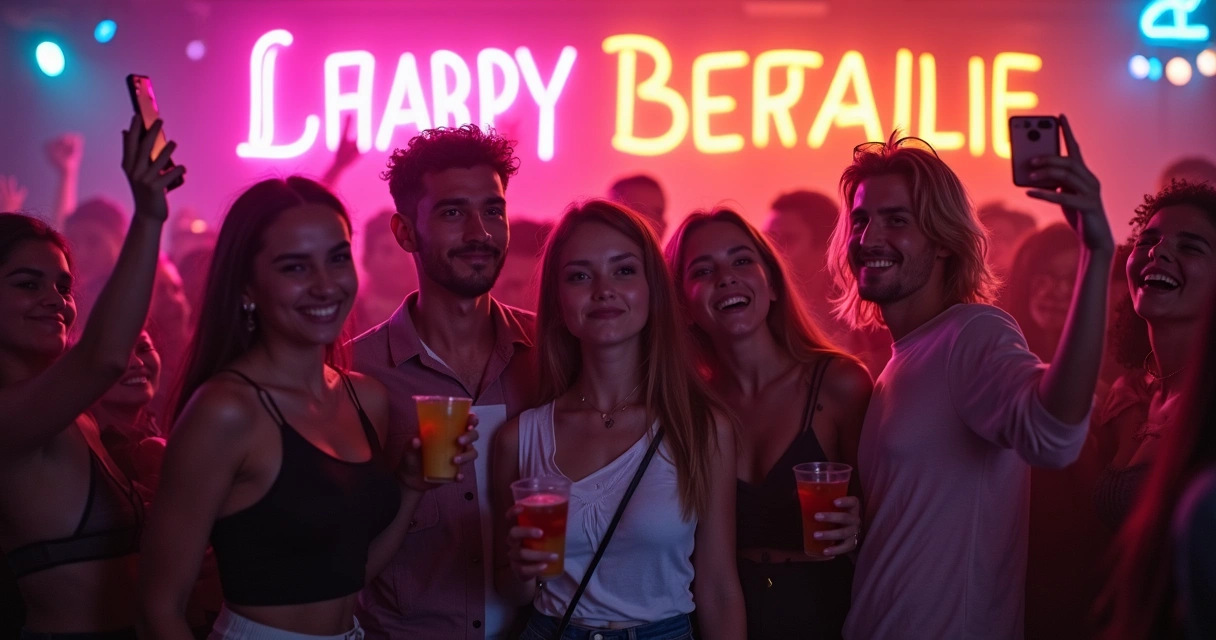
This effect builds gradually. Even if I don’t follow influencers who display these behaviors, my friends might share their content, or it could show up in memes, TikToks, or viral trends. In a way, it can feel like there’s no escaping these messages online.
Why smoking and drinking look appealing online
I have often noticed that people rarely share the boring or negative sides of smoking and drinking on social platforms. Instead, they post:
- Lively parties and celebrations (with drinks as a symbol of fun)
- Relaxed moments, like having a cigarette during a sunset
- Memes, jokes, or videos making light of hangovers or cravings
- Stylized product shots or story highlights with branded drinks or vapes
These positive and glamorous images get the most attention. The tough parts—the health risks, regrets, addiction, or morning-after headaches—aren’t shared as much. This creates a filtered view of reality.
Social media often highlights the positive, not the problems.
It’s hard to remember that what we see is not the whole truth. In my own feed, there could be dozens of posts about cocktails on Friday night, but rarely any about the consequences.
Images, memes, and viral trends: the silent teachers
Images and videos are powerful. I remember once seeing a meme about “wine o’clock” that spread quickly, popping up for weeks. It made regular drinking seem funny and harmless. Another time, viral challenges involved people recording themselves taking shots or vaping tricks, rewarding the most daring performances with laughter and shares.
These trends might start as jokes. Still, they reinforce that smoking and drinking are not only accepted but actually celebrated. Short videos make the acts seem simple, fun, and risk-free, especially if lots of people are cheering them on.
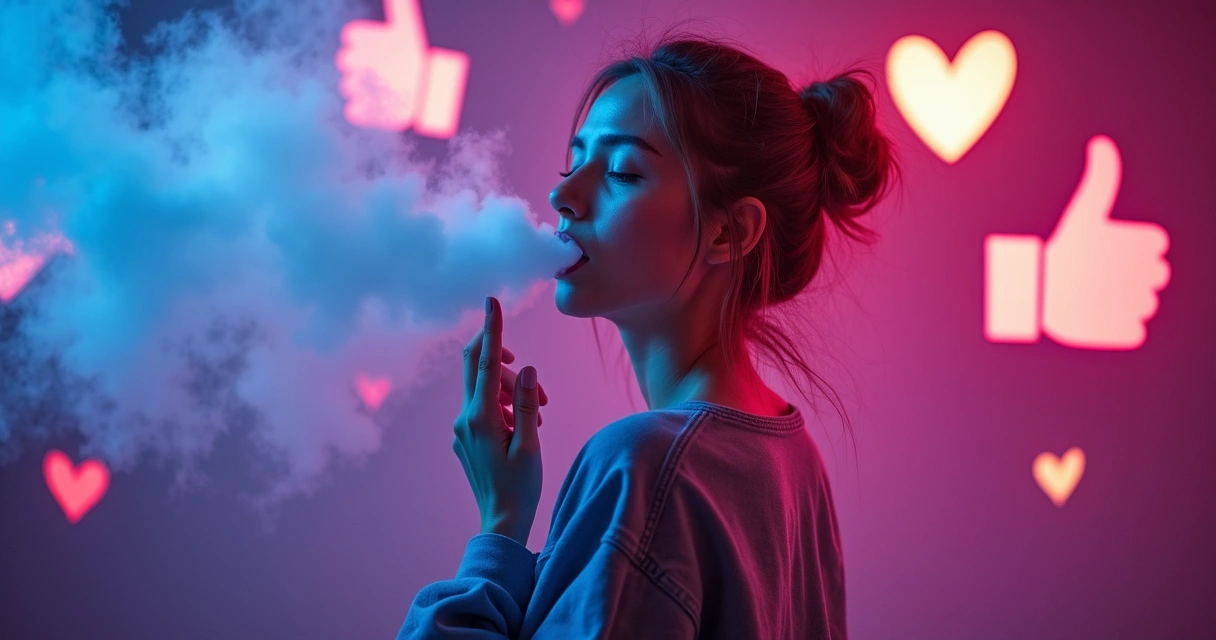
In my research, I have seen how even passive exposure—just seeing a habit in the background of someone’s story or photo—can quietly normalize it for viewers. For younger users, who are still forming views and habits, this effect can be especially strong.
The feedback loop: likes, shares, and engagement
I believe a key part of normalization happens through feedback. Posts of wild parties, smoke tricks, or fancy cocktails often get more reactions and shares than low-key everyday posts. This creates a feedback loop:
- People post photos of fun, risky, or edgy moments
- Those posts get lots of likes, laughs, and attention
- The attention rewards the behavior and inspires more of the same posts
Eventually, the type of content that gets highlighted is the content that makes these habits look fun and popular. This feedback loop can make it seem like “everybody is doing it,” even though that’s not true offline.
Understanding the risks behind the glamor
With each post and meme, the risks of smoking and drinking get quieter. In my experience, even well-meaning campaigns about health or moderation can be drowned out by the steady drumbeat of positive images. A filtered feed makes it easy to forget about addiction, long-term health issues, or the real struggles behind the Fun Stories.
It’s not that social media “causes” people to start smoking or drinking, but it can change what feels normal or what seems like a big deal. If these behaviors are everywhere online, they stop looking risky, forbidden, or rare.
Can we resist social pressure online?
I know it’s possible to resist the normalization effect. Over the years, I have developed my own strategies to manage what I see and how I react to it. Here are a few things I have found helpful:
- Reminding myself that social media shows an edited version of life—not the whole story
- Following accounts that represent healthy habits or support sober and smoke-free lifestyles
- Taking breaks when I feel overwhelmed by negative or tempting influences
- Being aware of how trends and peer pressure can shape what feels normal
Most of all, being able to step back and question what I see helps me stay true to what matters for my health and happiness, not just what’s trending this week.
Final thoughts: seeing reality behind the story
Scrolling through seemingly endless stories, memes, and photos, it is easy to believe that drinking and smoking are simply part of life. Yet, these habits are not as common—or as safe—as they appear online. Social media can act as a powerful mirror, reflecting and multiplying the behaviors we see until they feel like the norm.
By being aware of this, by looking behind the perfectly staged moments, we each have a chance to decide what is truly normal for ourselves. What matters is not fitting into every trend, but understanding our own values—even when the whole feed says otherwise.
Frequently asked questions
What is social media normalization?
Social media normalization is when repeated exposure to certain behaviors online makes them seem regular, accepted, and less risky or unusual. For smoking and drinking, seeing these habits often on social platforms can quietly shift what we believe is normal or expected in real life.
How does social media influence smoking?
In my experience, social media influences smoking by showcasing it in a positive or casual way—especially through influencers, memes, and peer posts. These positive portrayals can make smoking look appealing or common. When social feedback (likes and shares) rewards these posts, it encourages others to join or feel like smoking is a standard activity.
Why do people post drinking online?
Most people share drinking moments because they are seen as fun, social, or celebratory. People want to show the highlights of their lives, and parties or happy hours fit that ideal. Sometimes, posting about drinking also reflects wanting to fit in with trends and friends or to be part of viral challenges and jokes.
How can I avoid these influences?
You can avoid these influences by curating your social media feed, taking breaks, following positive role models, and reminding yourself that online content is often edited and selectively shared. Seeking real-life support and open conversations can also make it easier to resist giving in to digital peer pressure.
Are teens more affected by social media?
Yes, teens are often more affected because they are still developing their identities and sense of what is normal. Social media can have a bigger impact on them as they look for acceptance and belonging. In my view, ongoing support and understanding from family and friends plays a big role in balancing these online influences.